

The RFK Jr. Cooking Show Meal That Cost $73, Not $19
A federal cooking series promised dinner for under $5 a serving, but the checkout total told a different story — and the gap comes down to how recipes count ingredients.

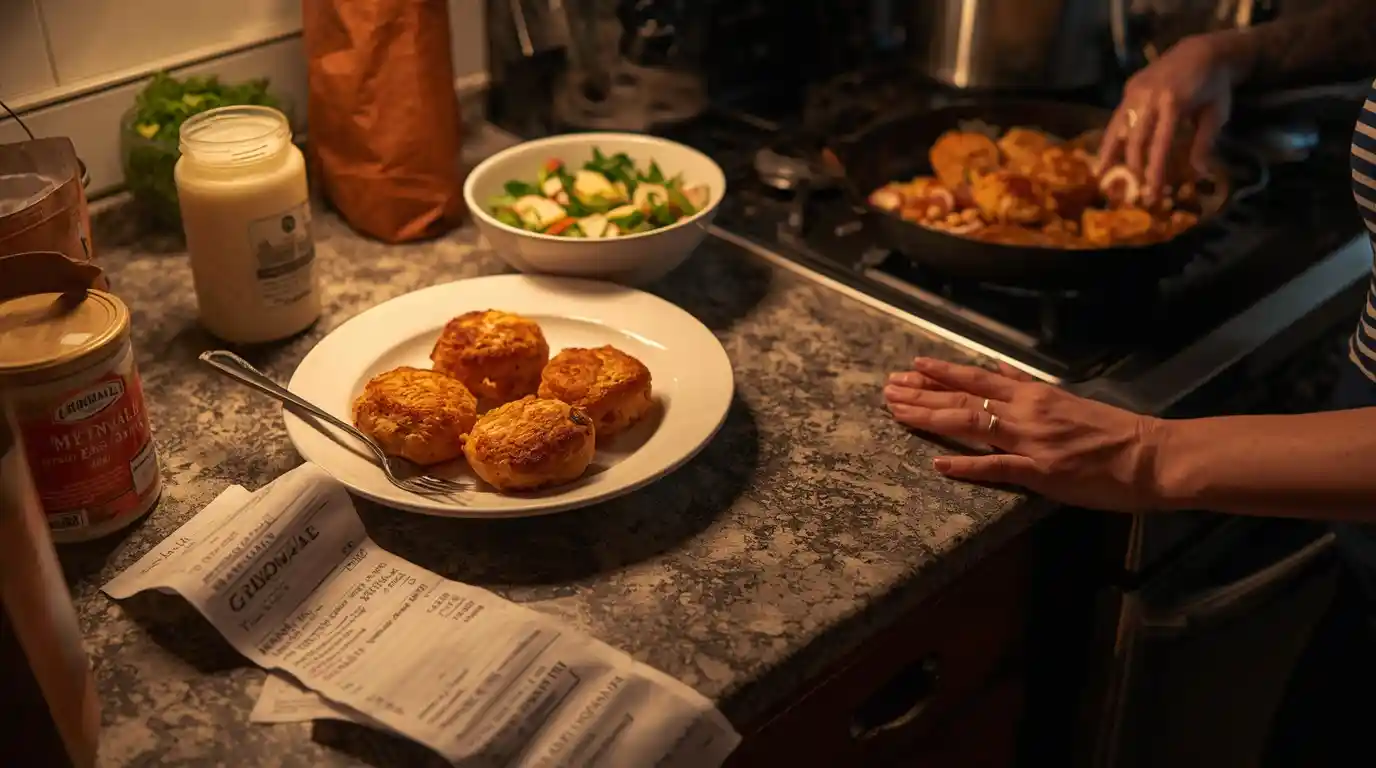
The RFK Jr. cooking show arrived with a tidy promise: a wholesome dinner for less than $5 a plate. The debut recipe — crispy wild Alaskan salmon cakes with an apple, white bean and arugula salad — came with its own arithmetic printed alongside it. Four dollars and ninety-one cents per serving. Nineteen dollars and sixty-four cents to feed a family of four. Then somebody took the list to an actual grocery store.
The Washington Post priced the whole recipe at checkout and walked out having spent $73.46 — roughly $18 a person, about three and a half times what the screen said. Nothing on the list was exotic or hard to find. The salmon wasn't the only culprit either. The gap came from something more basic: the recipe counted ingredients in amounts no store will sell you.
That's worth more than a laugh at a bad grocery run. "The Real Food Show" premiered July 30 on the Health and Human Services website and on YouTube, hosted by Secretary Robert F. Kennedy Jr. with chef Andrew Gruel in the first episode. It's a federal production pitching home cooking as the fix for American diets — at a moment when about 60 percent of Americans say rising costs are squeezing them, and nearly 90 percent of those point straight at groceries.
Where the $4.91 Price Tag Comes From
The show used what restaurants and food magazines call plate cost: you take the price of a jar, divide by how much the recipe uses, and bill only that fraction. The avocado mayonnaise showed up as pocket change because the cakes need a spoonful. Same logic for the oil, the mustard, the spices. On paper it's honest accounting. At the register it's fiction, because you cannot buy a spoonful.
Safeway does not let you walk in, scoop some mayo out of a jar and pay one dollar at the cash register. You have to buy the whole thing.
That line came from Post columnist Monica Hesse, and it explains the whole $54 difference. A shopper cooking this dish for the first time buys eight or nine full products to make four patties and a salad. The second time, most of that is already in the cupboard. Plate cost describes a kitchen that is already stocked — which is exactly the kitchen a family on a tight budget doesn't have.
What the RFK Jr. Cooking Show Gets Right
Strip away the price tag and the plate itself holds up. Registered dietitians quoted in coverage of the show noted the salmon brings protein and omega-3s, the arugula and apple add fiber and antioxidants, and the white beans add more fiber still. Others pushed back on the $5 figure specifically, pointing out that many households can't float the up-front spend on a shopping list this long, however cheap the leftovers get later.
Gruel made the same argument from the other side, saying the message was bigger than a cooking show and that he wanted families to build what he called kitchen confidence. On that narrow point he isn't wrong. Cooking a piece of fish and a bean salad from scratch genuinely does beat a freezer dinner, and most people who don't cook say the reason is nerves, not money.
How to Actually Hit $5 a Serving
The recipe is salvageable at close to its advertised price. It just requires shopping like someone who is counting, rather than like a television set that already owns everything.
Swap Wild Alaskan Salmon for Canned or Frozen
Fresh wild-caught fillet is the single most expensive line on the list, and salmon cakes are precisely the dish where it's wasted — you're flaking it, seasoning it and frying it. Canned pink or sockeye salmon delivers the same protein and omega-3s for a fraction of the price, and frozen fillets sit in between. Nobody at the table will identify the difference under the crust.
Amortize the Pantry Over a Month
Mayonnaise, oil, mustard, breadcrumbs and spices are one-time purchases that outlast a dozen dinners. Judge the recipe on the second and third time you cook it, not the first. If you already keep those staples, your real cost for this meal lands far nearer the show's number than the Post's receipt does.
Cook the Full Batch, Not One Plate
Per-serving math only works if you actually make all the servings. Cooking the full four portions and eating the salmon cakes cold in a sandwich the next day is what turns an $18 outlay into a $4 lunch. Halving the recipe does the opposite — the fixed costs don't shrink with it.
Why a Cabinet Secretary Is Hosting a Cooking Show
The series is an arm of the department's "Eat Real Food" push, which rewrote the national dietary guidelines earlier this year to favor meat, dairy and vegetables and to stop treating saturated fat as the enemy. On the premiere, Kennedy dismissed the old guidelines as a 453-page document written by food industry lobbyists, and claimed U.S. cattle herds are the smallest in at least a century.
There's precedent for the format and for the criticism. Democrats went after Transportation Secretary Sean Duffy over a similar web series on the grounds that its sponsors were regulated by his own department. According to NOTUS, HHS did not answer questions about what "The Real Food Show" costs to produce or who is paying for it.
What to Watch For Next
Chef Robert Irvine is slated for an upcoming episode, and the series is leaning into fermented foods — kimchi, sauerkraut, yogurt. The thing worth watching is whether HHS republishes its cost figures using whole-package prices instead of plate cost. Until it does, treat the numbers on screen as a chef's estimate, not a budget. Before you shop, price the list at your own store and see what the register actually says.


Comments 0