

The Bald Range Wildfire Outran B.C.'s Own Fire Models
A fire near Summerland moved faster than the province predicted, emptied a town of 12,000 and killed an 80-year-old woman — in a year B.C. was running below average.

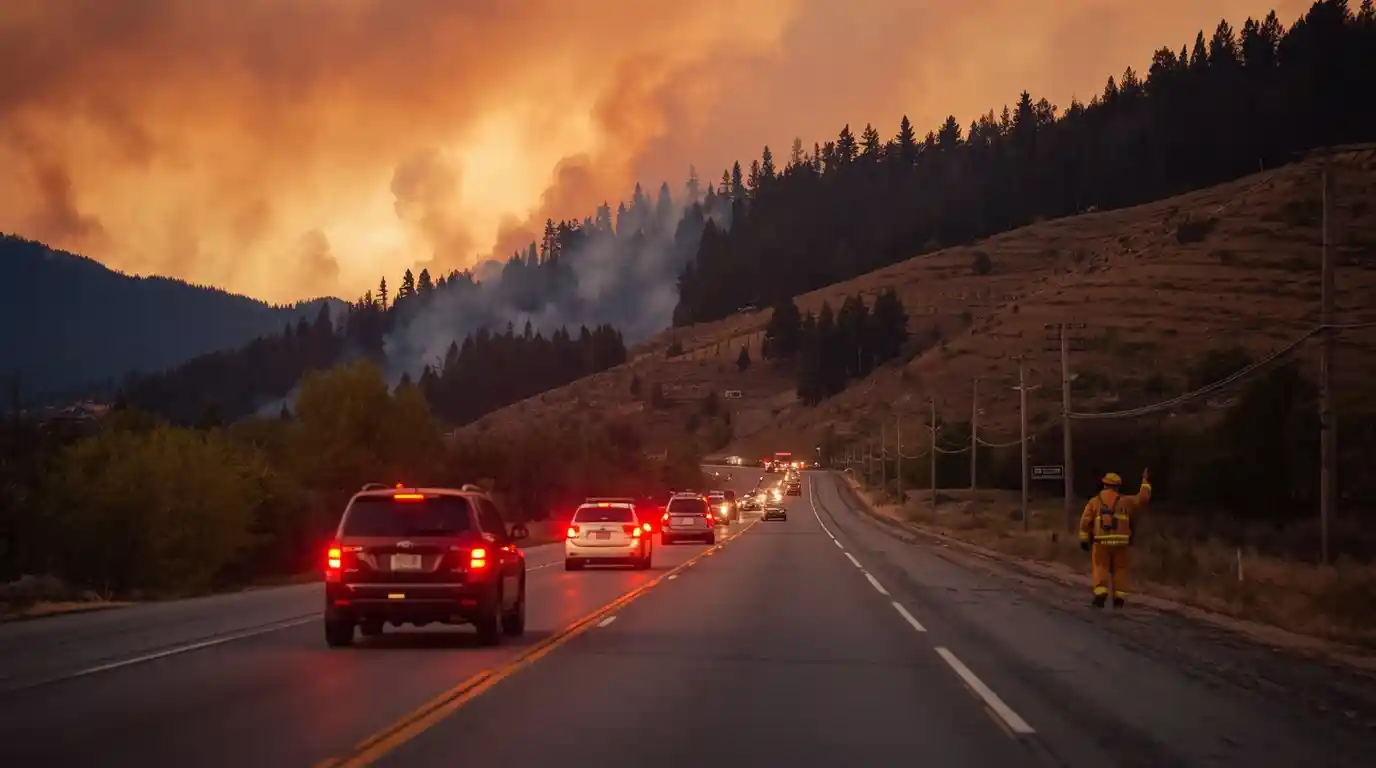
The Bald Range wildfire tore through the hills west of Summerland, B.C., faster than the province's own forecasting models said a fire of that kind could move — so fast that crews eventually stopped trying to fight the flames and started knocking on doors instead. More than 20,000 people left their homes. One of them, an 80-year-old woman, never made it out.
The fire was reported to Summerland RCMP around 5:15 p.m. on Friday, Aug. 7. Within a day, British Columbia had declared a provincial state of emergency. By early in the week it measured roughly 13,600 hectares; by Wednesday, according to the Associated Press, it covered about 184 square kilometres — roughly 18,400 hectares. Highway 97 closed. Downtown Summerland, a community of about 12,000, is still standing.
Here's the part that should unsettle anyone living in the B.C. Interior: this happened in a year that was, statistically, going well. Alberta, B.C., Saskatchewan and Yukon have all been tracking below their average area burned for this point in the calendar. A quiet season still produced a fire that outran the plan.
How Fast Is Too Fast to Fight?
Wildfire response in Canada runs on prediction. Crews model spread rates from fuel type, slope, humidity and wind, then decide where to place people and equipment. Those models are what turn a chaotic event into a schedule. When a fire moves faster than the model, the schedule collapses — and the only useful thing left to do is move people, which is what happened here.
There's an important set of lessons for us to take about how quickly this moved.
That was Premier David Eby, who also warned this is very unlikely to be the last significant fire B.C. sees this summer, and said the blaze may represent a "new normal." He has since flagged a review covering wildfire planning, building standards and how vegetation is managed near communities.
What the Bald Range Wildfire Cost So Far
Damage numbers are still incomplete, which is normal at this stage — assessment teams can't safely walk burned neighbourhoods while the fire is active. What's confirmed already is enough to explain the tone coming out of Victoria.
One death on a back road
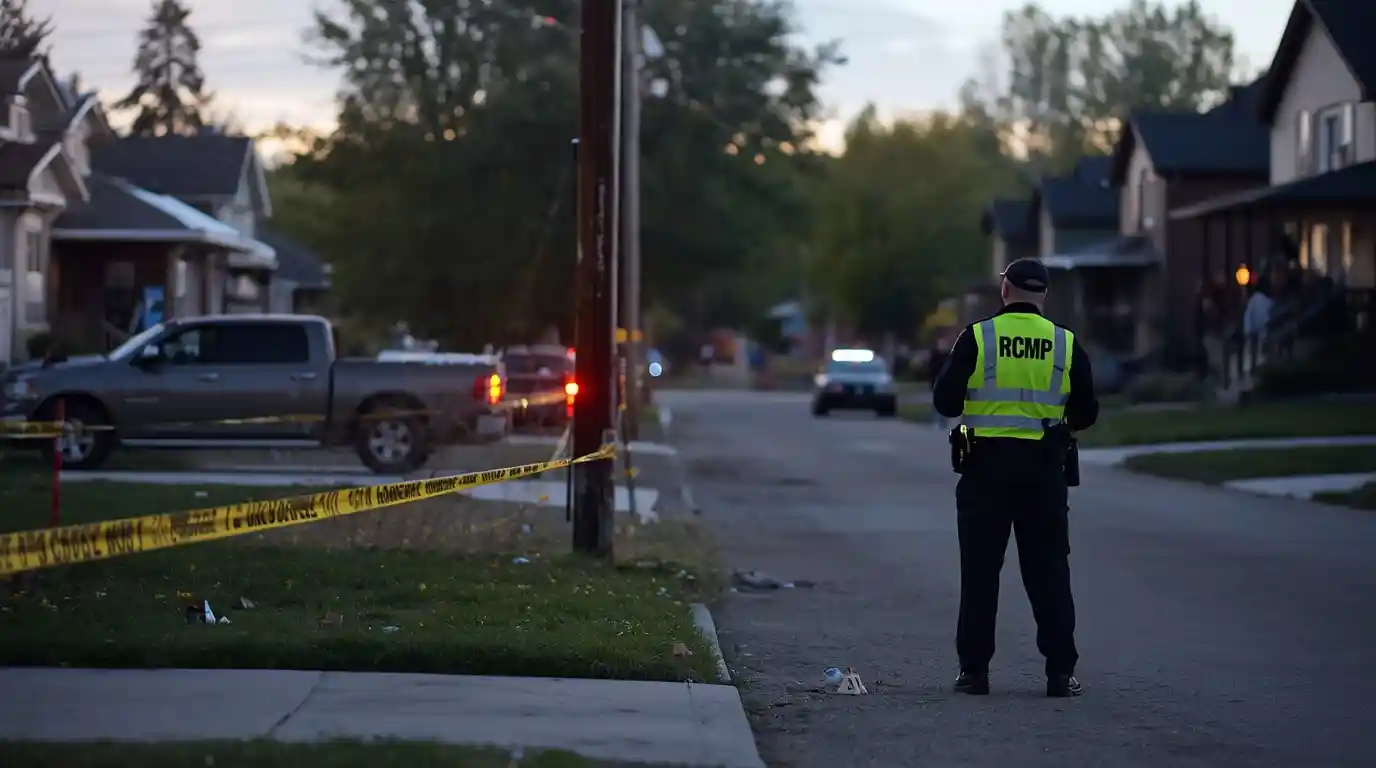
An 80-year-old woman died in the Meadow Valley area while trying to leave with a family member, Global News and RCMP reported. Another evacuee found her and reported the death just after 1 a.m. on Saturday. The B.C. Coroners Service is investigating. Deaths during evacuation, rather than in the flames, are a recurring pattern in fast-moving fires — the escape itself is the danger.
Homes lost, count still unknown
Eby has confirmed homes were destroyed but officials have not released a figure. Summerland Mayor Doug Holmes has already told residents recovery will be long and difficult. For comparison, rebuilding after the 2023 McDougall Creek fire near West Kelowna is still going nearly three years later.
A town of 12,000, emptied
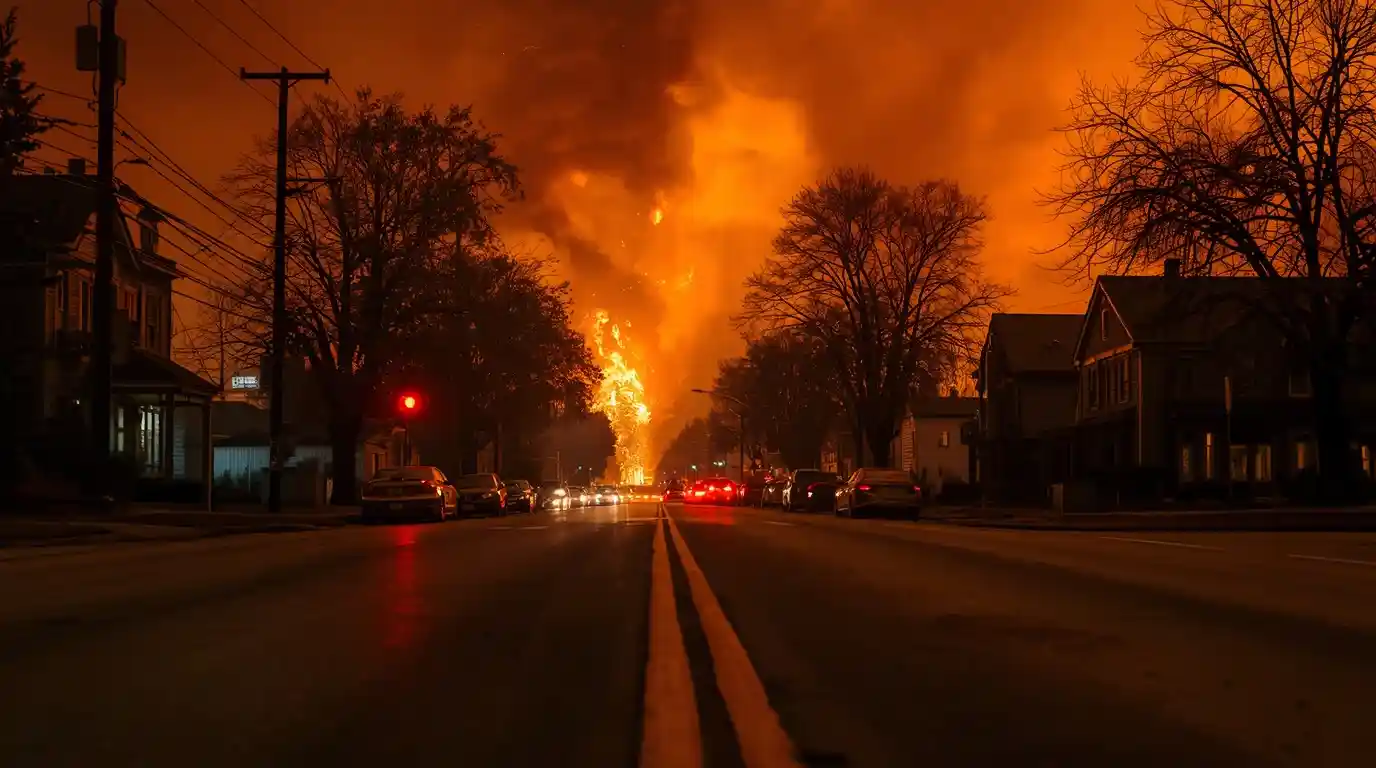
Five evacuation orders were issued — by the Regional District of Okanagan-Similkameen, the Regional District of Central Okanagan, the Penticton Indian Band, the District of Summerland and the District of Peachland — alongside four alerts. Nearly 22,000 people province-wide were under order, with more than 10,000 on alert. Officials said return timelines would be measured in days to weeks, not hours.
Why This Fire Is Smaller Than 2023 and Scarier
Perspective matters. In 2023, B.C.'s worst season on record, about 2,293 fires burned roughly 2.84 million hectares; nationally, Canada lost 14.6 million hectares that year. The Grouse Complex, which included McDougall Creek, burned 13,970 hectares over five weeks. Bald Range passed that in days. Total area isn't the risk metric anymore — speed relative to where people live is.
What's Actually Being Thrown at It
The response has scaled quickly, and it now includes international help.
- More than 99 wildland firefighters on the ground
- About 120 structure-protection personnel defending buildings near Fish Lake, Garnet Valley and the Summerland golf course
- 24 pieces of heavy equipment and eight helicopters
- Roughly 100 firefighters arriving from Mexico
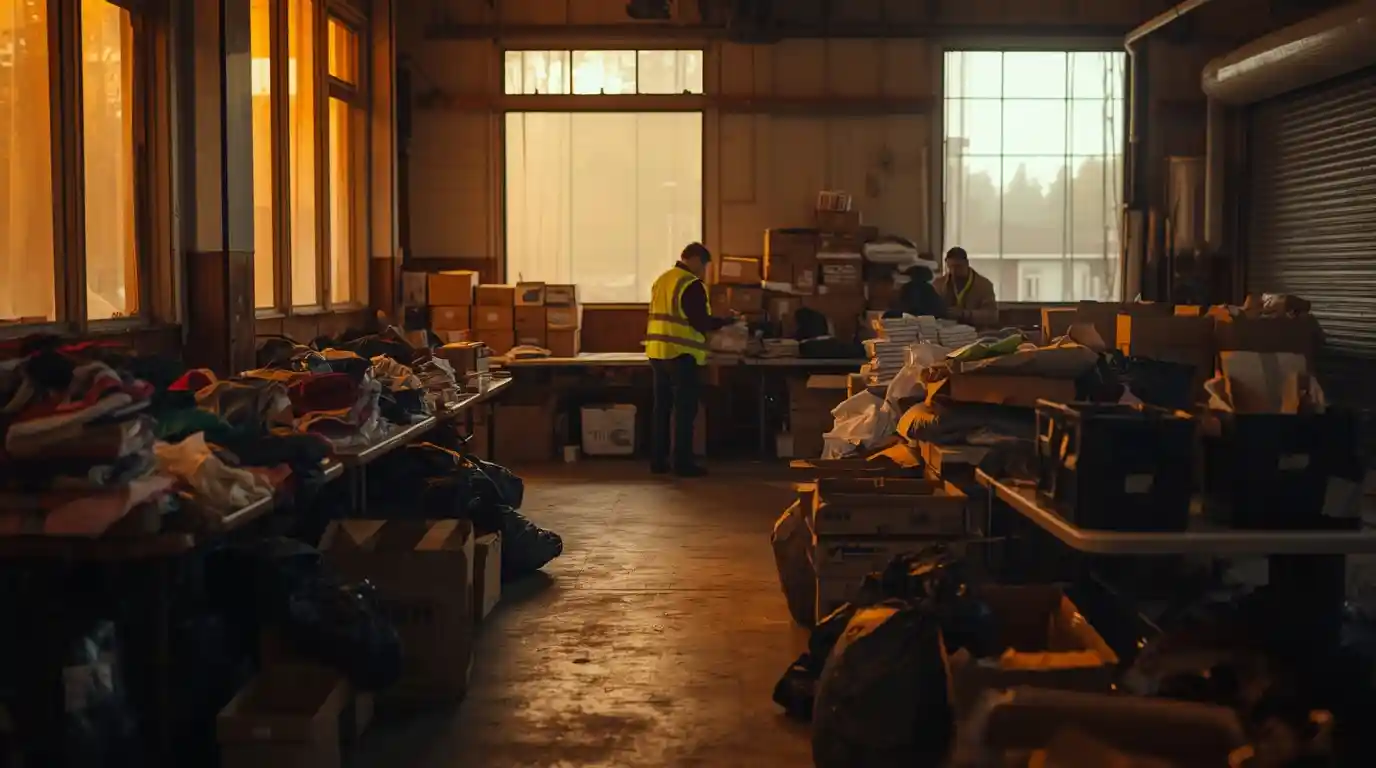
Summerland pharmacist Jonathan Kiesman raised a problem few evacuation plans handle well: displaced patients who left without their prescriptions. If you're out of your home, B.C. pharmacists can generally provide emergency refills — ask, rather than going without.
What to Do Before the Next One
If you live anywhere in the Okanagan, Kamloops, Cariboo or Kootenay regions, treat this week as the warning. Register with Emergency Support Services the moment an order is issued, even if you have somewhere to stay — it's how the province tracks who got out. Photograph every room in your house now for insurance. Confirm your policy actually covers additional living expenses during evacuation, since that's the cost most people hit first.
Then do the boring part Eby is hinting at: clear needles from your gutters and roof, move firewood and propane away from siding, and keep the first 1.5 metres around your foundation free of anything that burns. Watch for FireSmart requirements moving from voluntary to mandatory in provincial building rules — after a fire this fast, that review is the thing most likely to change what you're allowed to build.
Comments 0