

The Half-Used Soap Turning Up in Wildfire Evacuee Donations
A free store for Okanagan fire evacuees is being used as a dump, and the fix costs donors almost nothing.

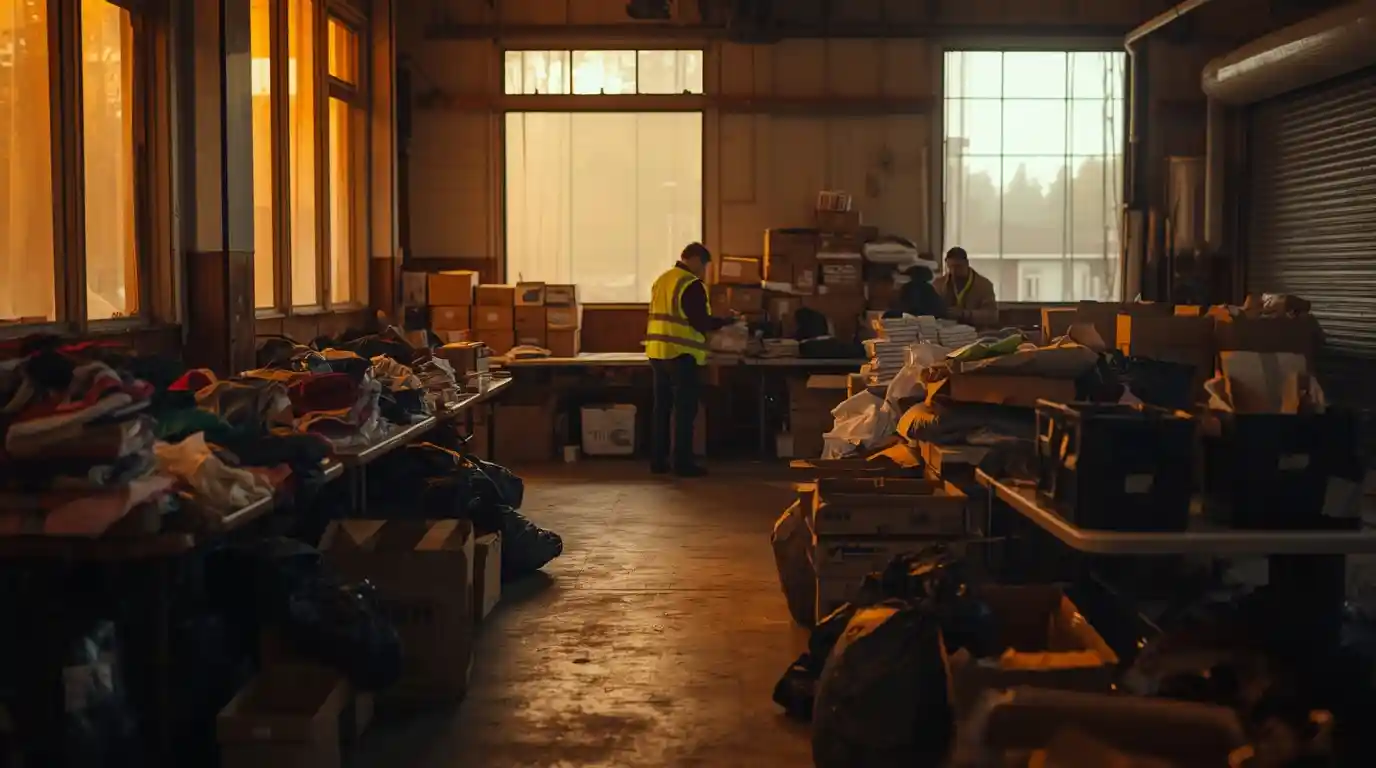
The most important thing to understand about wildfire evacuee donations this month is that a bar of soap someone has already showered with does not count. A B.C. man who opened a free store for people driven out by the Okanagan fires told CTV News that alongside genuinely useful gear, he keeps unpacking boxes of soiled clothing, broken toys and used hygiene products — things that were headed for the trash anyway and got a detour through a disaster instead.
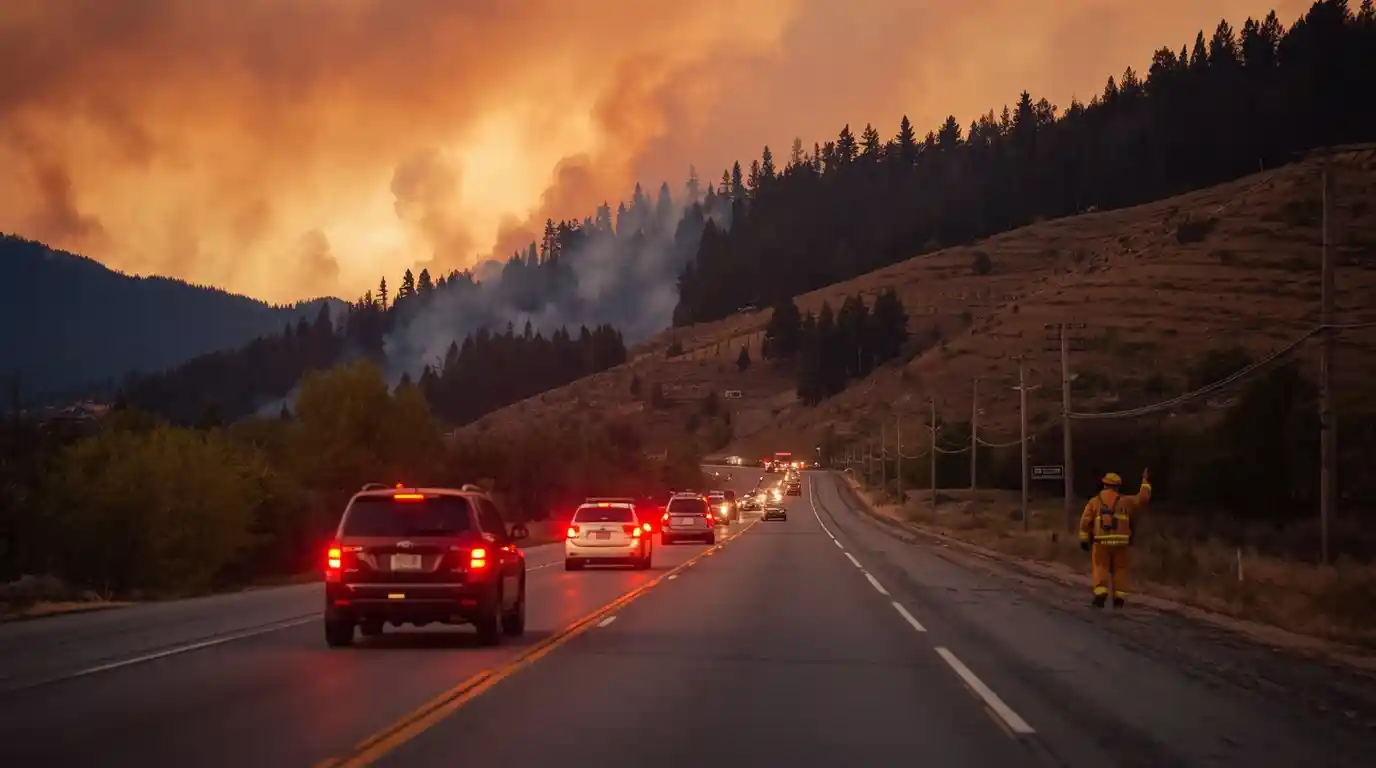
The scale behind that complaint is what makes it sting. More than 18,000 people were forced from their homes by the Bald Range wildfire around Summerland, Global News reported, and two more blazes — Bradley Creek and Quilpituk — have been burning west of Okanagan Lake. Kelowna Capital News reported that the combined displacement was heavy enough to justify a second donation hub in Kelowna, on top of everything Penticton and Summerland had already stood up.
Relief workers have a blunt name for what happens next: the second disaster. It's the wave of unsorted, unusable stuff that follows the fire, and it eats the one resource an emergency response can never buy back — volunteer hours. Every afternoon spent triaging someone's old laundry is an afternoon nobody spends finding a family a bed.
Why a Free Store Ends Up Sorting Garbage
A free store is a deliberately low-friction idea. No forms, no proof of loss, no means test. You walk in, you take what you need, you leave. That informality is the point — it spares people the humiliation of explaining, again, that their house is gone. But the same open door that lets an evacuee in without paperwork lets a donor drop a bag without anyone checking it first.
Penticton set up its free store at 2130 Government Street for total-loss families from the Summerland area, open weekdays from 10 a.m. to 4 p.m. The city published a do-not-bring list that reads like a record of what already showed up: food, used pillows and blankets, dirty or damaged items, furniture, household goods, air mattresses. Castanet reported a similar plea from a Penticton business owner who lost their own home, urging people to send quality donations only.
"People heard, people answered. I got goosebumps," Kelly Wilson of Mamas for Mamas told Global News about the initial rush of support.
What 18,000 Displaced People Actually Need
The generosity is real and it worked. Mamas for Mamas took in so much that it stopped accepting used goods entirely and switched to asking for gift cards and volunteers. Food vendors from the cancelled Peach Festival handed their inventory to evacuees. The problem isn't the volume of help — it's the mismatch between what feels good to give and what a family living out of a car can actually use.
Gift cards do the sorting for you
A $50 card to a grocery or department store arrives clean, needs no storage, no laundering and no volunteer to size it. It also lets a parent buy the specific thing they lost — the right shoe size, the diabetes supplies, the school shoes — instead of picking through a table of strangers' sweaters. Cash to a registered relief organization does the same job with even less overhead.
New, sealed and travel-sized
Toiletries move fastest when they're small and unopened. Kelowna organizers specifically asked for compact soaps and small bottles of shampoo and conditioner — the kind that fit in a duffel bag that's living in a trunk. Anything with a broken seal, a missing cap or a smell gets binned, so it costs the response money in tipping fees instead of helping.
Hands, trucks and a spare room
Housing has been the hardest gap to close. Global News reported that some evacuees spent days sleeping in their vehicles while sorting through the aftermath. If you're local, an offer of a spare suite, a truck for a move, or four hours on a sorting table is worth more than a carload of clothing.

The Hidden Cost of Wildfire Evacuee Donations
Unusable goods aren't neutral — they're a bill. Somebody rents the space, somebody pays the fuel, somebody pays the landfill. Then there's the cost you can't invoice: a woman who lost 30 years of belongings picking up a stained shirt and understanding exactly what a stranger thought she was worth. That's why organizers keep using the word dignity rather than quality.
How 2026 Compares to the 2023 Fire Season
B.C. has run this play before. When the McDougall Creek fire tore into West Kelowna in August 2023 and tens of thousands across the province were under evacuation order or alert, the same pattern showed up: an enormous early surge of physical goods, then depots begging people to stop. The lesson stuck with agencies but not with the public, which is roughly why a man in the Okanagan is repeating it in 2026.
Where to Take Things This Week
Kelowna is running a donation space at the Kelowna Events Centre, 2041 Harvey Ave., open Friday, Aug. 21 from 11 a.m. to 6 p.m. for people displaced by the Bald Range, Bradley Creek and Quilpituk fires. Organizer Susanne Soranno said the community responded generously and the centre has taken in a very large volume of clothing, household goods, toiletries and pet supplies. Penticton's free store remains open weekdays for Summerland's total-loss families.
Before you load the car, call the depot and ask what's short today — the answer changes weekly, and most are already past clothing. Apply one test to every item: would you hand it to a neighbour in person? If not, it isn't a donation. And watch the next few months, because the need doesn't end when the smoke clears — rebuilding runs on rent money and gift cards long after the boxes stop arriving.
Comments 0