

Why Cleveland's Fine Arts Garden Waited 98 Years for Repairs
The Cleveland Museum of Art has begun rebuilding the sidewalks, drainage and lighting of an Olmsted Brothers landscape that hasn't had a full overhaul since 1928.

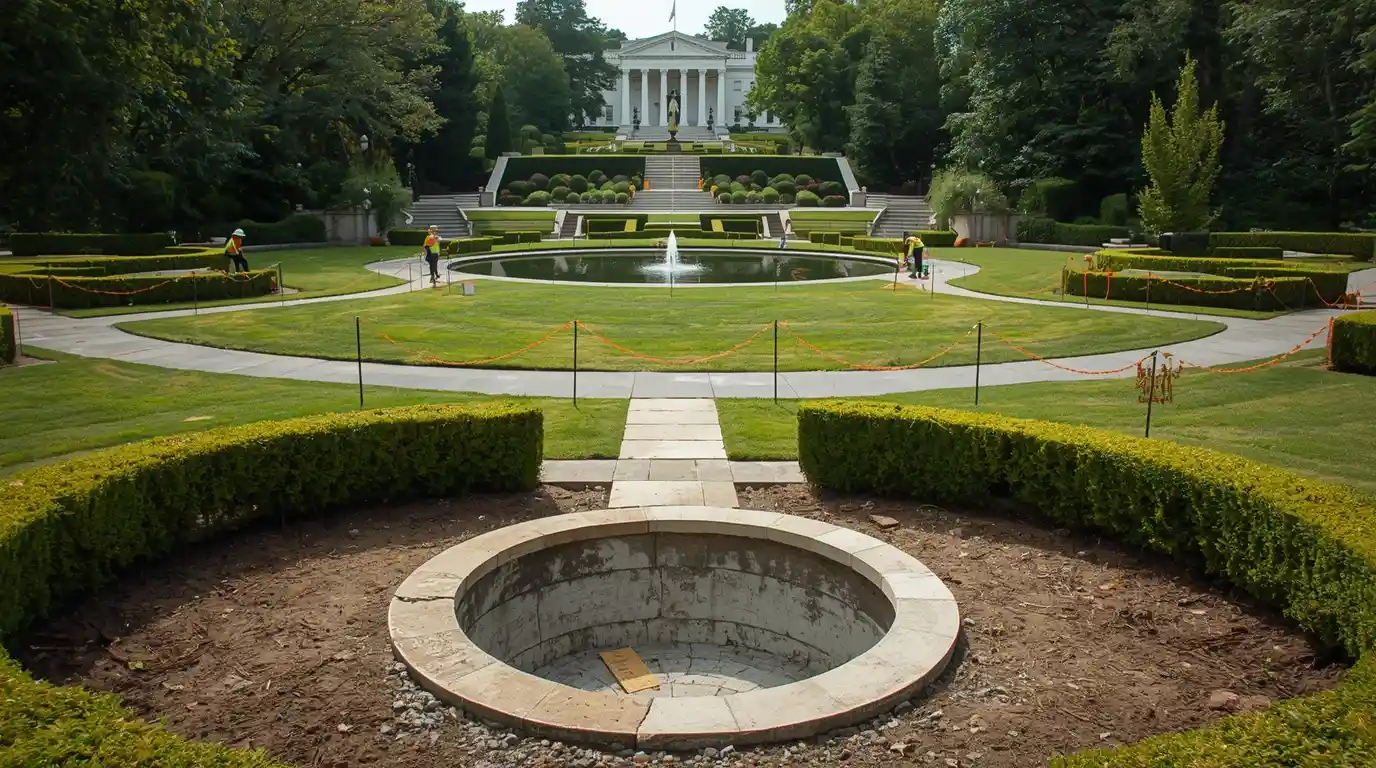
Work has started on the Fine Arts Garden, the terraced green space that runs downhill from the Cleveland Museum of Art's original 1916 building to Wade Lagoon, and the museum describes it as the first full restoration of the landscape in close to a century. The design was finished in 1928. Almost everything a visitor actually stands on — the walks, the drains, the lights — dates from a world before the interstate highway.
The money behind it is not abstract. The Horace Kelley Art Foundation put in a $5 million gift aimed squarely at the historic campus, naming Chester Beach's Fountain of the Waters, the Zodiac Garden and Wade Lagoon as targets. That sits inside a much larger effort: as of June, the museum had raised $480 million toward a $600 million campaign, about 80 percent, with roughly $40 million set aside for capital projects, according to Ideastream Public Media.
Here's why a Clevelander who never walks into the galleries should still care. The museum counts more than 200,000 people using the outdoor campus every year, and the garden costs nothing to enter — the same as the museum itself, which has been free since it opened 110 years ago. This is one of the few grand formal landscapes in the country that doubles as a neighborhood shortcut.
A 1928 Design That Never Got a Full Overhaul
The bones came from the Olmsted Brothers firm. The Garden Club of Cleveland hired Frederick Law Olmsted Jr. in 1925, and the firm's Edward Whiting and Leon Zach finished the design in 1928. It sits on land the industrialist Jeptha Wade gave the city in 1882 — a 63-acre parcel — with a smaller piece added later by his grandson for the museum itself. Chester Beach carved the twelve zodiac plinths around the oval lawn.
What Crews Are Actually Rebuilding
Most of the budget is going into things nobody photographs. The museum's description of the project reads less like a garden makeover and more like a public works job, which is roughly what a 98-year-old landscape needs after decades of freeze-thaw cycles on Lake Erie's south shore.
Sidewalks You Can Roll a Wheelchair Down
The walkways are being reconstructed outright rather than patched, with ADA accessibility as the standard. Anyone who has pushed a stroller across that slope knows the problem: heaved slabs, lipped joints and a grade that turns slick in November. Rebuilding paths on a historic Olmsted layout means keeping the original alignment while quietly fixing the cross-slope underneath.
Drainage, Lighting and Security
Storm drainage, site lighting and security systems are all being added. That combination matters after dark, when the garden currently reads as a place to avoid rather than cross. Better light and better sightlines have been on the museum's wish list for more than a decade.
The Doan Brook Connection
The museum is also working with the Northeast Ohio Regional Sewer District on stabilizing and restoring the Doan Brook streambank. The payoff is a walkable link stitching the garden and museum grounds to Rockefeller Park and the neighborhoods north and west — turning a destination into a route.
Who Is Paying for the Fine Arts Garden Repairs
The Kelley gift is the anchor for the campus work, and the foundation framed it as more than maintenance.
The trustees of the Horace Kelley Art Foundation are honored to be a part of the restoration and re-envisioning of the Fine Arts Campus.
The broader campaign has drawn a $25 million commitment from the Kelvin and Eleanor Smith Foundation in 2024 and more than $100 million in artworks from Joseph and Nancy Keithley. Museum director William Griswold called the fundraising a reflection of Cleveland's philanthropic tradition. A separate line-item cost for the garden alone hasn't been made public.
Wasn't This Garden Already Restored in 2002?
Partly, and that's the wrinkle the "first in a century" framing glosses over. Behnke Associates rehabilitated the garden around 2002, adding cherry trees and spring bulbs and stripping out flowerbeds that clashed with Olmsted principles. Sasaki finished more work in 2018 through the Nord Family Greenway. What never got rebuilt was the hardscape and the utilities — the expensive, invisible layer.
The maintenance story explains a lot. By the museum's own account, dedicated crews in the 1960s dwindled to a single city employee by 1994, then to none. Somewhere along the way, thieves took the bronze heron fountains that flanked the lagoon; concrete blocks with capped pipes still mark where they stood.
What to Expect on Your Next Visit
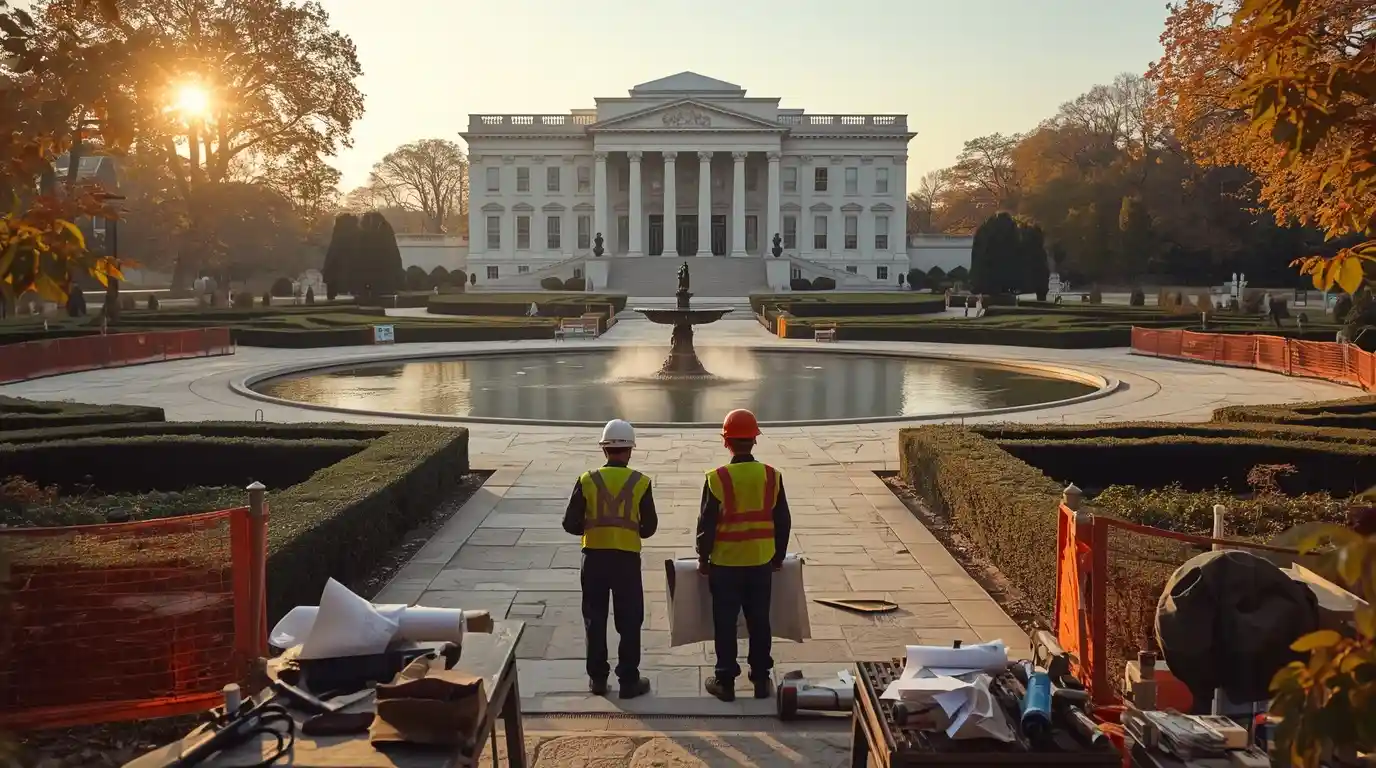
Expect fencing, staged closures and detours around the lagoon end of the slope through the construction season, and expect the pretty parts to be off limits before the ugly parts are finished — that's how utility-first projects go. The galleries stay free and open regardless. If you're planning a wedding photo, a graduation portrait or a lunch on the lawn, check the museum's site for current closures before you drive to University Circle, and give the Zodiac Garden a look now if you want a picture of it the way it's stood since 1928.
Comments 0