

Your Last Weekend Inside the Marfa Artillery Sheds Is in October
The Chinati Foundation will empty and rebuild the two 1939 army buildings that hold Donald Judd's aluminum masterwork, closing them to visitors after the October 9–11 Chinati Weekend.

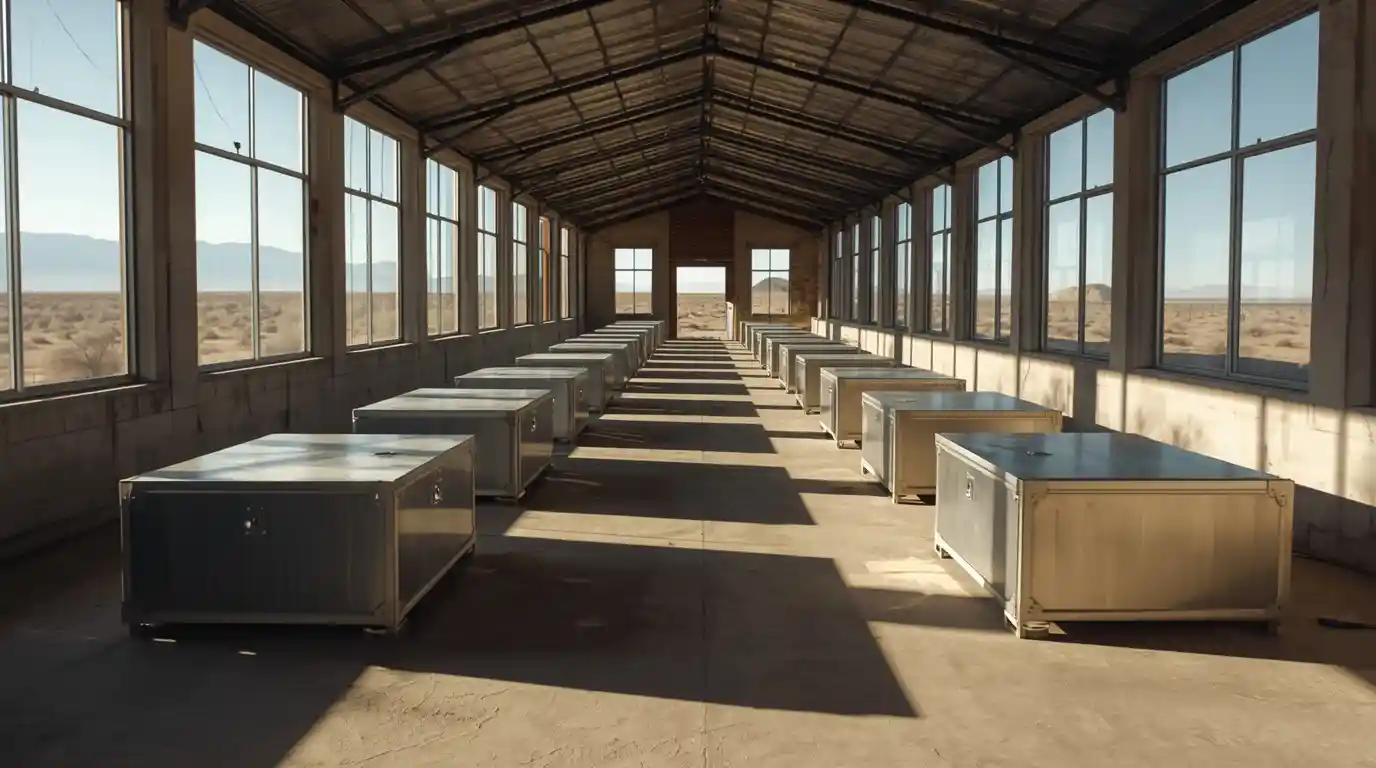
The Marfa Artillery Sheds — two long army buildings from 1939 that hold the single most famous work of American minimalism — will close to the public after the weekend of October 9 to 11, and they won't reopen for years. The Chinati Foundation has hired Schaum Architects to lead a full restoration, with construction starting in November and completion targeted for 2029.
The bigger news is what leaves the building. Donald Judd's 100 untitled works in mill aluminum, made between 1982 and 1986, have sat in those two sheds for more than 40 years, in the exact spots Judd chose. Every one of the hundred boxes will be crated and moved out. According to The Art Newspaper, it will be the first time the installation has left its original position since it was put there.
If you've ever meant to make the drive, this is the deadline. The 39th annual Chinati Weekend, October 9 to 11, is the last public access before the doors shut. Marfa sits in far West Texas, roughly three hours by car from El Paso, the nearest airport of any size — this is not a trip you decide on Friday afternoon.
Why Two Old Sheds Matter This Much
Most artists hand a piece to a museum and lose control of it. Judd did the opposite. He bought the former Fort D.A. Russell property outside Marfa in the late 1970s and spent years reworking the buildings around the art. He replaced the sheds' garage doors with continuous walls of window and capped each building with a quarter-round vaulted roof, so the aluminum boxes are lit by the same desert sun that moves across the room all day.
That's the whole point. The work changes hour by hour, and the building is part of the piece. In 2025 the site was recognized as the Donald Judd Historic District on the National Register of Historic Places — which raises the stakes on every decision the design team makes.
What's Actually Wrong With the Marfa Artillery Sheds
From a distance they look fine. Up close, the buildings are losing a slow fight with the Chihuahuan Desert.
Windows That Can't Keep the Weather Out
Judd's glass is thin, single-pane and enormous, and it does almost nothing against 100-degree summers or winter cold. Chinati plans to install more than 10,000 square feet of energy-efficient glazing. Reporting on the project indicates the team is sticking with a treated single-pane look rather than chunky modern double glazing, to keep the profiles Judd drew.
A Metal Roof and Sudden Rain
West Texas gets little rain and then gets it all at once. Trade coverage of the engineering work describes bracing to hold the wide metal roofs against high wind, plus properly sized gutters to handle the downpours. Roof, gutter and façade repairs are all in scope, with TyLin handling structural engineering.
The Dust Problem
Mill aluminum shows every mark. The plan calls for passive, solar-assisted air circulation routed through the concrete slab's existing expansion joints, and treated glass that helps hold slight positive pressure inside so dust gets pushed out rather than drawn in. No visible ductwork, no hum.
Who Is Doing the Work
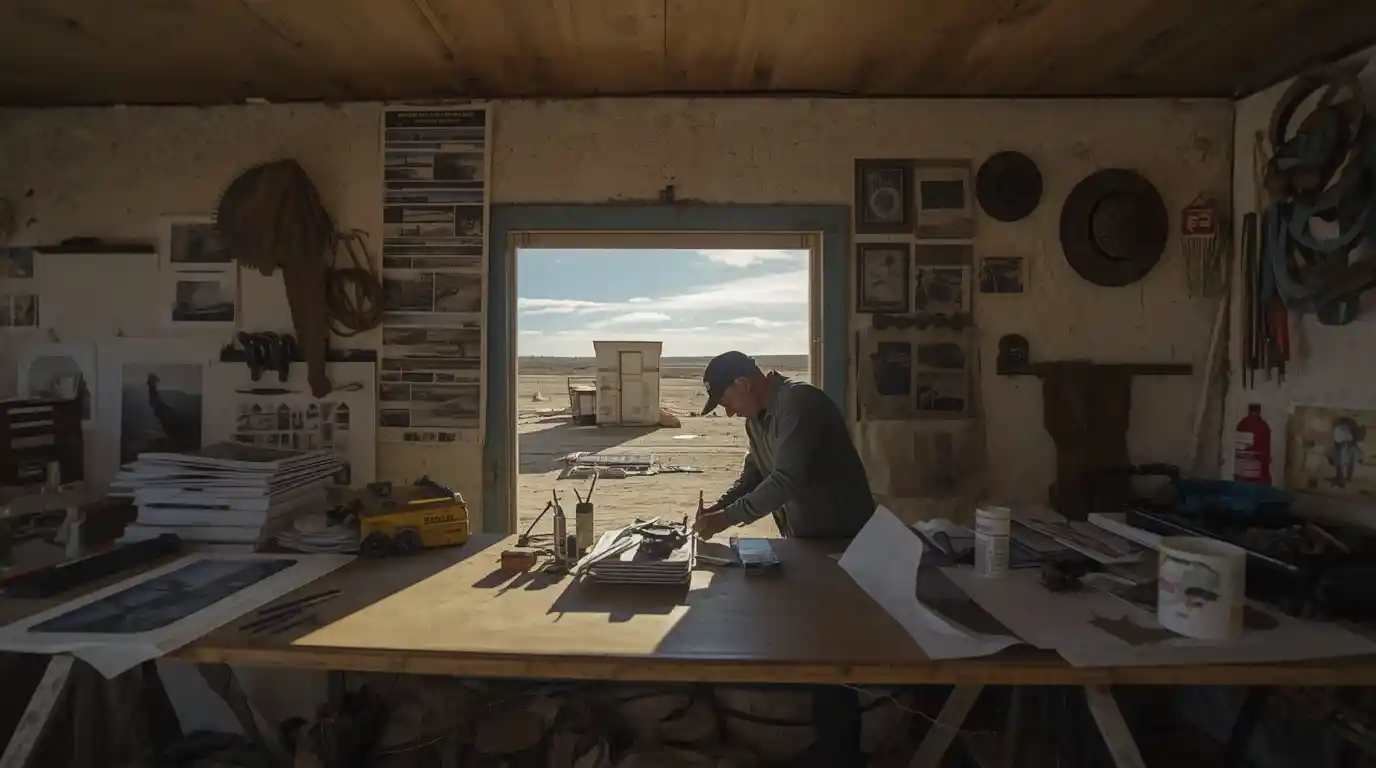
Troy Schaum's firm leads the design, described in trade press as editing softly around the edges. The roster around him is unusual for a building this small: Higgins Quasebarth & Partners on historic preservation, the Getty Conservation Institute advising, Chinati's head of conservation Bogna Skwara and director of preservation and planning Stephen Martin in-house, landscape by Dept LLC with Jim Martinez — and Alfred Lippincott, the fabricator who helped Judd place the boxes in the first place.
That last name matters. Lippincott is a living record of where each object went and why, and he's still available to consult. Restoration teams almost never get that.
Our overall goal is to preserve the experience of the work as Judd intended. — Caitlin Murray, executive director, The Chinati Foundation
The Money, and How It Compares
The restoration sits inside Chinati's Art as Intended capital campaign, which has raised $9.5 million toward a $16 million goal. That total also covers collection care, visitor facilities and the endowment, so the sheds are getting a share, not the whole pot. Chinati hasn't published a line-item cost for the buildings.
For scale: the Judd Foundation's restoration of the artist's SoHo building at 101 Spring Street ran for years and finished in 2013, and that was a single narrow structure in New York. Marfa's two sheds are bigger, older, and sitting in an environment that attacks them year-round. A 2029 finish date is ambitious, not padded.
What to Do Before the Doors Close
Book now if you want to see the installation in place. Chinati Weekend runs October 9 to 11 and Marfa's small stock of rooms fills months ahead — plan on Alpine or Fort Davis if Marfa is gone. The rest of the Chinati campus, including the Judd concrete works outside and the Dan Flavin barracks installations, stays open during construction, so a 2027 or 2028 trip is still worth taking. Just know the aluminum boxes won't be there.
Comments 0